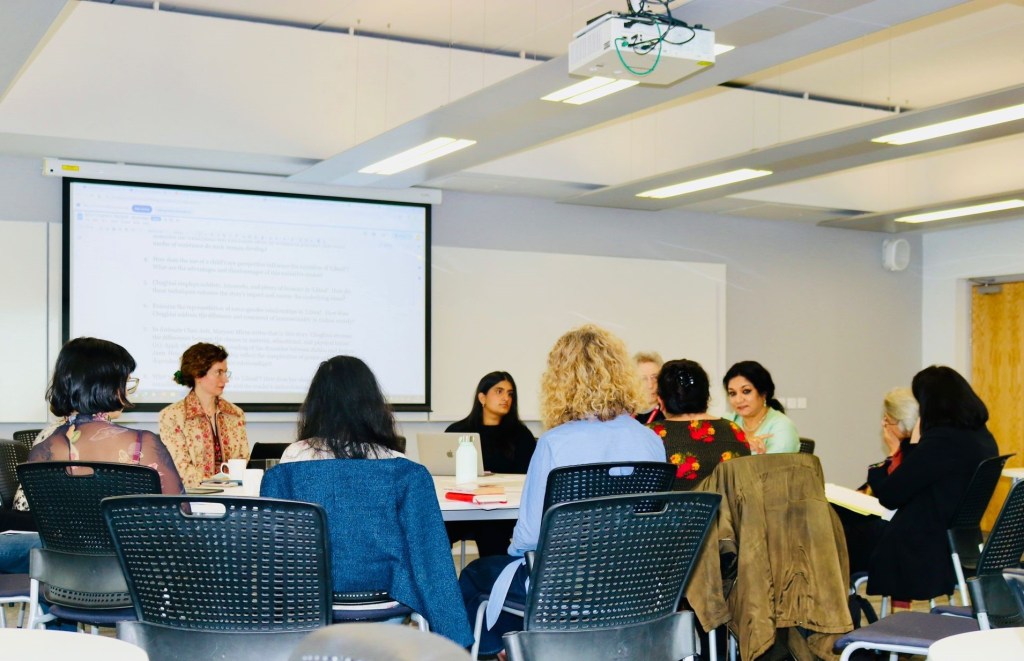
Workshop 1: State, Society & Freedom of Expression
18 June 2025, Teesside University
World Making Words: Connecting women’s literary agency, activism and enterprise in South Asia: Workshop 1 on State, Society & Freedom of Expression
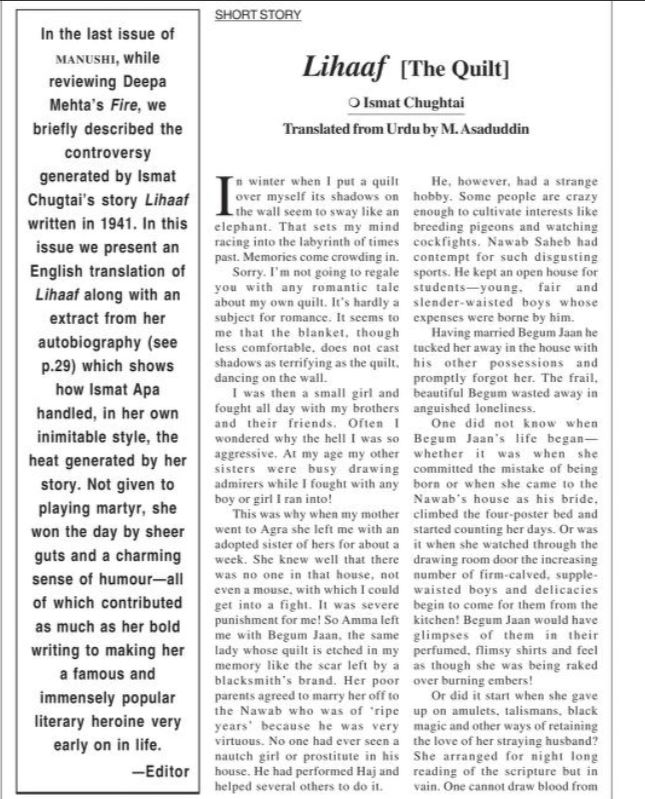
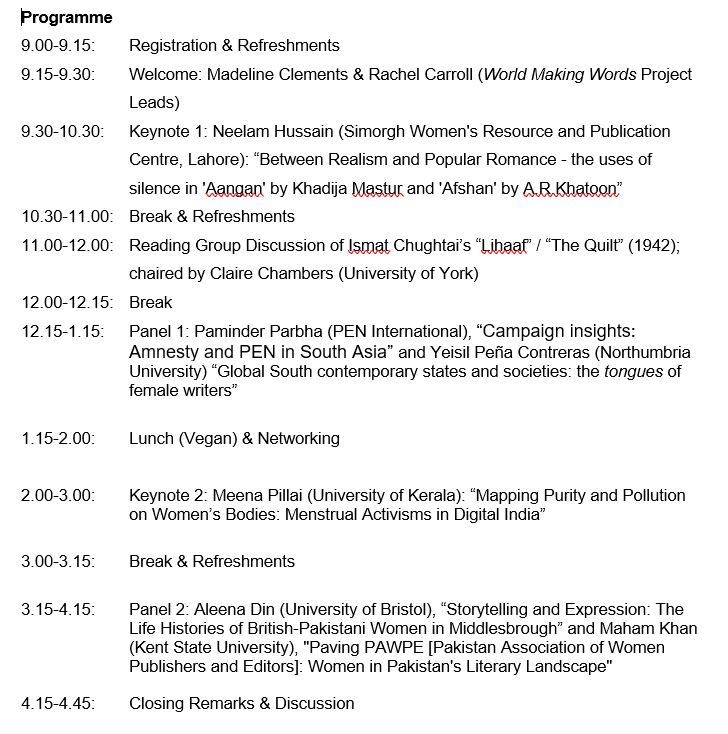
This first workshop explored questions of state, society and freedom of expression in relation to women’s writing and publishing in South Asia. It included a reading group discussion of Ismat Chughtai’s 1942 short story “Lihaaf” / “The Quilt” as well as keynote talks and panel discussions.
About the event
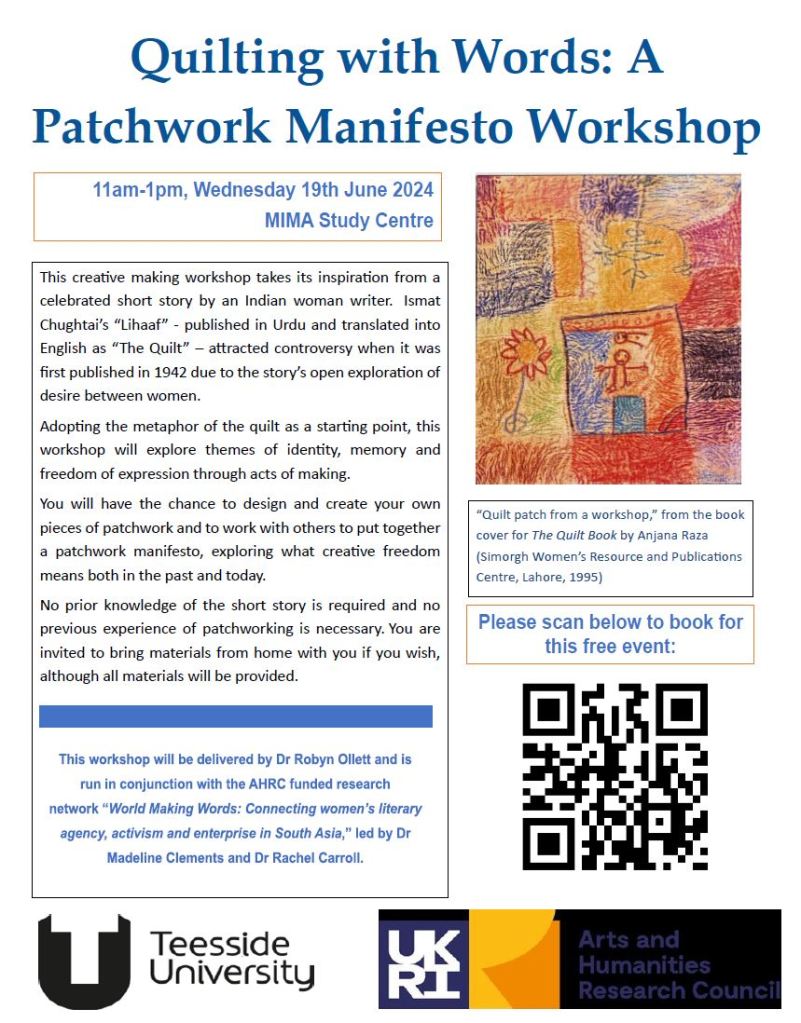
The workshop took place on 18 June at Teesside University. It was followed on the next day by a public-facing workshop inspired by the focal text at MIMA, Quilting with Words.
Contributors to Workshop 1 included Claire Chambers (University of York), Yeisil Peña Contreras (Northumbria University), Aleena Din (University of Bristol), Neelam Hussain (Simorgh Women’s Resource and Publication Centre, Lahore), Maham Khan (Kent State University), Paminder Parbha (PEN International) and Meena T. Pillai (University of Kerala).
“Up until now, delegates had not discussed how
women’s freedom of expression or the state of states and societies is affected or prompted by
digital interventions. Our discussion after Meena’s talk centred on the endless possibilities of
online resistance, while also acknowledging that the digital world is a space mediated and
controlled by market and political forces.”
Read more about the day in the 

Programme
Quilting With Words
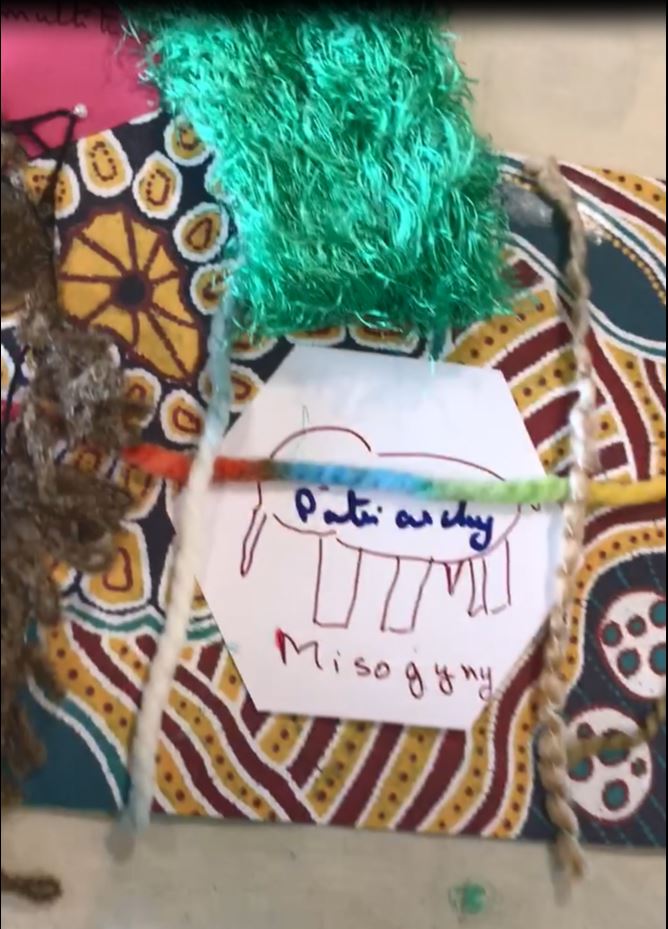
A public-facing workshop at MIMA, 19 June 2024 invited participants to design and create their own pieces of patchwork inspired by the metaphor of the quilt from Chughtai’s “Lihaaf”.
 World Making Words